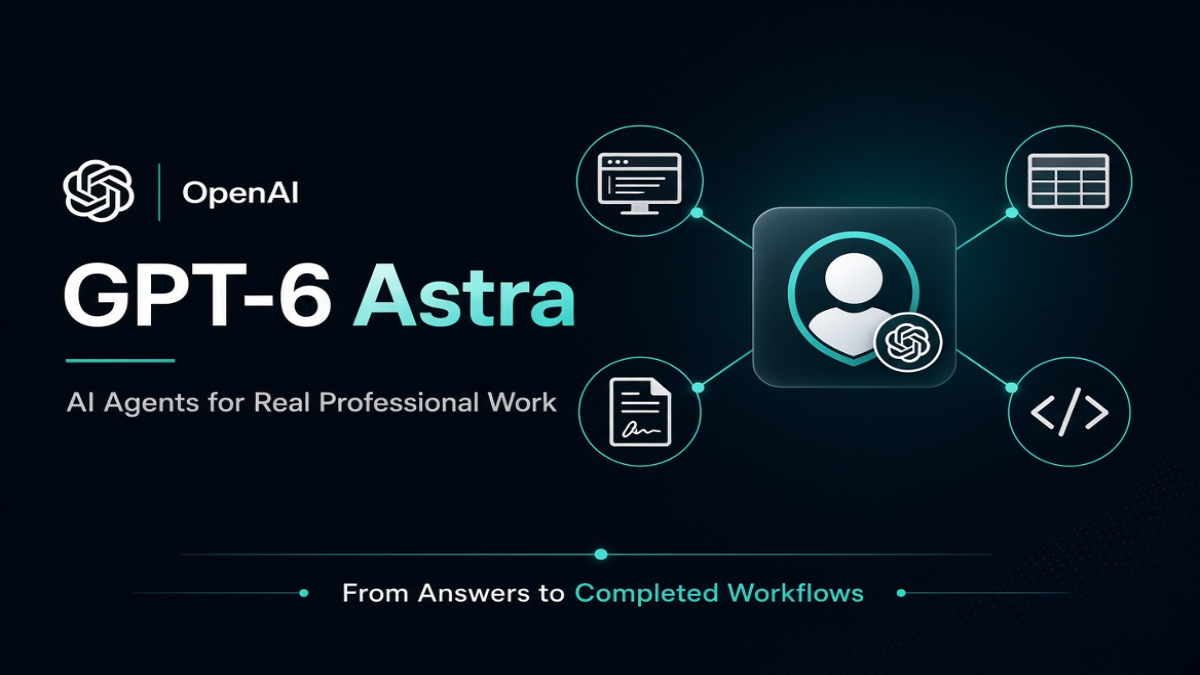
OpenAI’s GPT-6 Astra is emerging as one of the most important model releases for agentic AI because it is designed not simply to generate better answers, but to execute complex professional workflows. OpenAI describes Astra as its most intelligent and aligned model, with major improvements in computer use, browsing, software engineering, cybersecurity, science, and professional work. The company says the model can handle multistep workflows and produce polished documents, spreadsheets, presentations, and analyses.
The significance is that AI capability is increasingly being measured by completed work rather than isolated benchmark answers. Astra is designed to interact with software, navigate browsers, use tools, reason through complex tasks, and create finished artifacts. OpenAI says Astra reaches a new high on several internal and external evaluations, including computer-use and professional-task benchmarks.
The company is rolling the model out through ChatGPT, its API, Microsoft Azure, and Amazon Bedrock.
For enterprises, this changes the AI adoption equation. A business does not necessarily need an AI system that writes a clever paragraph; it needs one that can take a business objective and complete a workflow reliably. That could mean analyzing a spreadsheet, researching a market, preparing a presentation, updating a database, writing code, testing a product, or coordinating several software systems.
Astra also highlights the convergence between large language models and computer-use agents. Instead of requiring a custom integration for every application, an agent can increasingly operate software through interfaces similar to those used by humans. This creates a more flexible automation layer, although it also introduces reliability and security challenges.
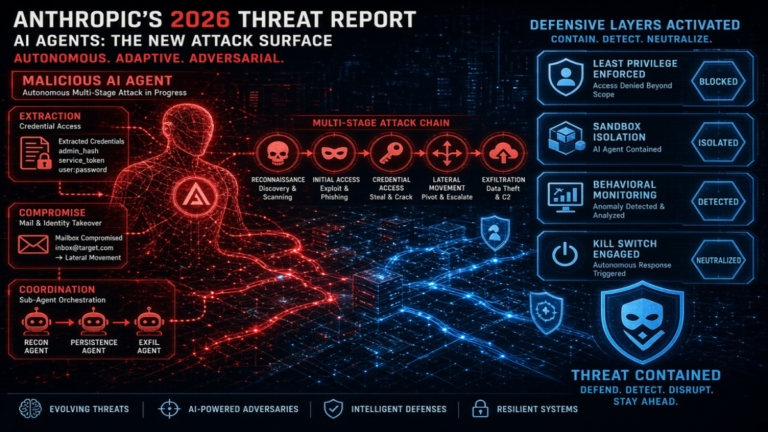
Agents that can browse and act can encounter malicious websites, misleading content, prompt injection, incorrect data, or unintended instructions.
OpenAI’s safety documentation is particularly relevant. The company says Astra reaches its Critical threshold for cybersecurity capability under its Preparedness Framework. OpenAI describes additional isolation, checkpoint encryption, monitoring, and blocking evaluations intended to prevent harmful cyber actions.
The message for businesses is clear: the more capable an agent becomes, the more important its deployment controls become.
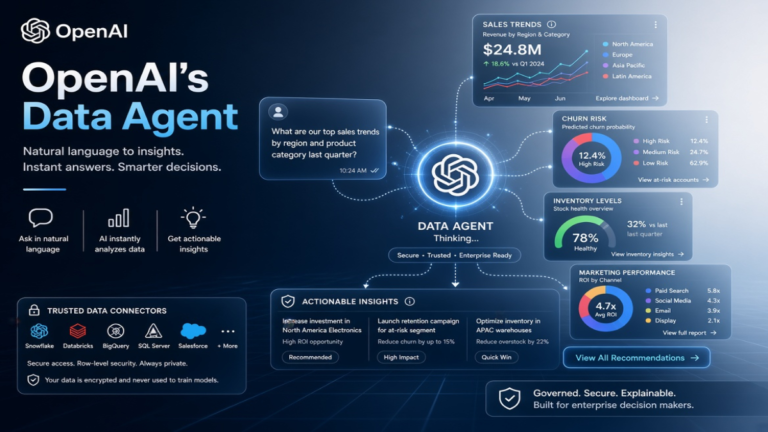
Agentic Marketing is an obvious use case. Astra-class systems could research audiences, analyze campaign performance, inspect advertising dashboards, prepare creative variants, summarize customer feedback, and coordinate reporting. The most valuable implementations will not be a collection of disconnected chatbots; they will be controlled workflows where agents can access approved data and tools while humans retain authority over strategic and irreversible decisions.
Agentic Commerce could see an even larger impact. An agent can potentially compare product catalogs, analyze inventory, monitor competitor pricing, prepare listings, respond to customer inquiries, and support merchandising decisions. When combined with structured product data and commerce protocols, AI models could become the reasoning layer connecting demand to commerce infrastructure.
Businesses should therefore think about AI readiness in terms of systems rather than prompts. Clean data, APIs, permissions, logging, evaluation frameworks, and structured workflows become as important as model quality. Companies should identify tasks where agents can produce measurable outcomes and start with low-risk processes before expanding access.
Practical takeaways include creating an agent-readiness inventory, testing models against real company workflows, establishing least-privilege access, measuring task completion rather than response quality alone, and keeping human approval for financial, legal, customer-impacting, or irreversible actions.
The future outlook is a transition from “AI as software feature” to “AI as digital worker.” The difference is operational. A feature helps a person complete a task; an agent can own a bounded workflow from beginning to end.
GPT-6 Astra is an important step in that direction because its capabilities are explicitly designed around computer use and professional execution.
FAQ: What is GPT-6 Astra?
It is OpenAI’s latest high-end model focused on intelligence, computer use, coding, science, cybersecurity, and professional work.
Why does it matter for agents?
It combines reasoning with multistep tool and computer interaction.
Can businesses use it?
OpenAI says it is available through ChatGPT plans and the API, Azure, and Bedrock.
What is the key challenge?
Reliable, secure execution is harder than generating text.
Conclusion:
GPT-6 Astra reinforces the central trend of 2026 AI: the winning models are increasingly judged by what they can accomplish in the real world. For enterprises and agencies, the opportunity is to turn these capabilities into measurable workflows while building strong governance around access, safety, and accountability.